
Service field guide
Drainage and grading reviewed before the hardscape is built.
Sherwood handles drainage as it relates to hardscape performance: where water collects, where it comes from, and whether a new patio, walkway, driveway, wall, or entrance will make the problem better or worse. The goal is to identify grading and runoff limits early, not promise a universal stormwater fix.
Start with the problem
Signs this may be the right scope.
The first step is identifying what you can see, then checking the hidden cause: base movement, poor pitch, weak edges, water, settlement, thresholds, or bad transitions.
Water pools beside a patio, driveway, walkway, entrance, wall, or foundation-adjacent area
Downspouts discharge into the work area or send water across pavers, steps, walls, or low spots
Existing pavers settled, heaved, or failed where the base stayed wet or the pitch was wrong
You want new hardscape work but need to understand drainage limits before the surface is built
Service process
How this service usually progresses.
The exact scope depends on the site, but durable work usually follows a visible sequence: assessment, preparation, installation, and finishing.
Assess
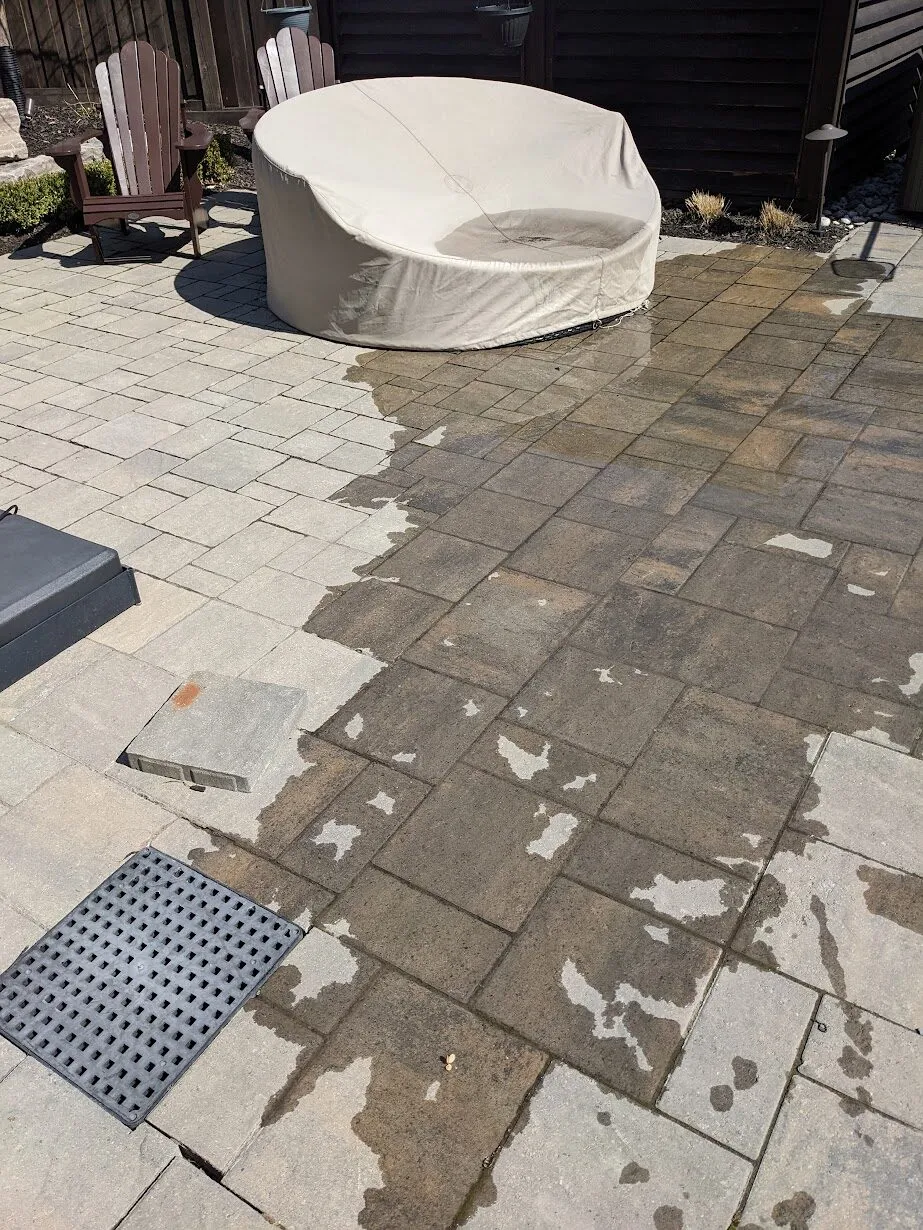
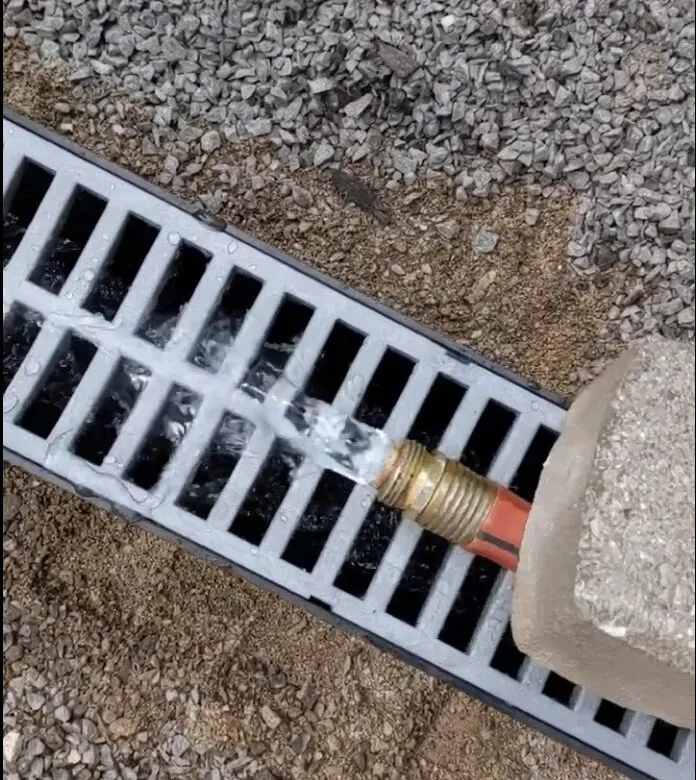
Trace water sources and low points
- Identify where water enters and leaves the work area
- Check low spots, thresholds, downspouts, and nearby grades
Plan
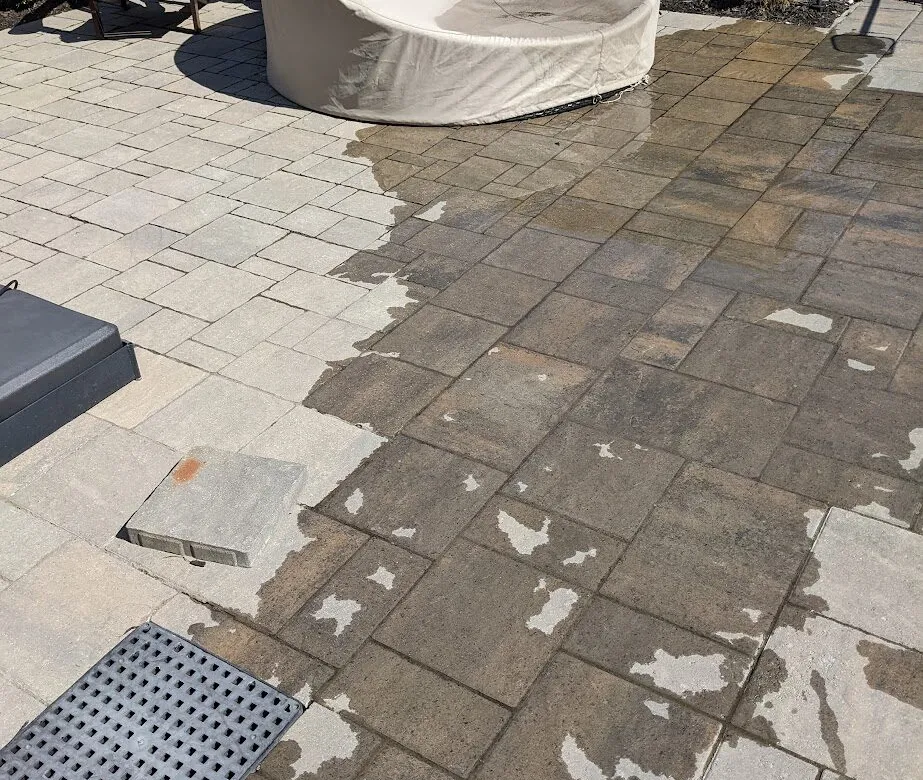
Set practical pitch and outlet paths
- Review finished heights before excavation
- Explain site limits before surface work proceeds
Prepare
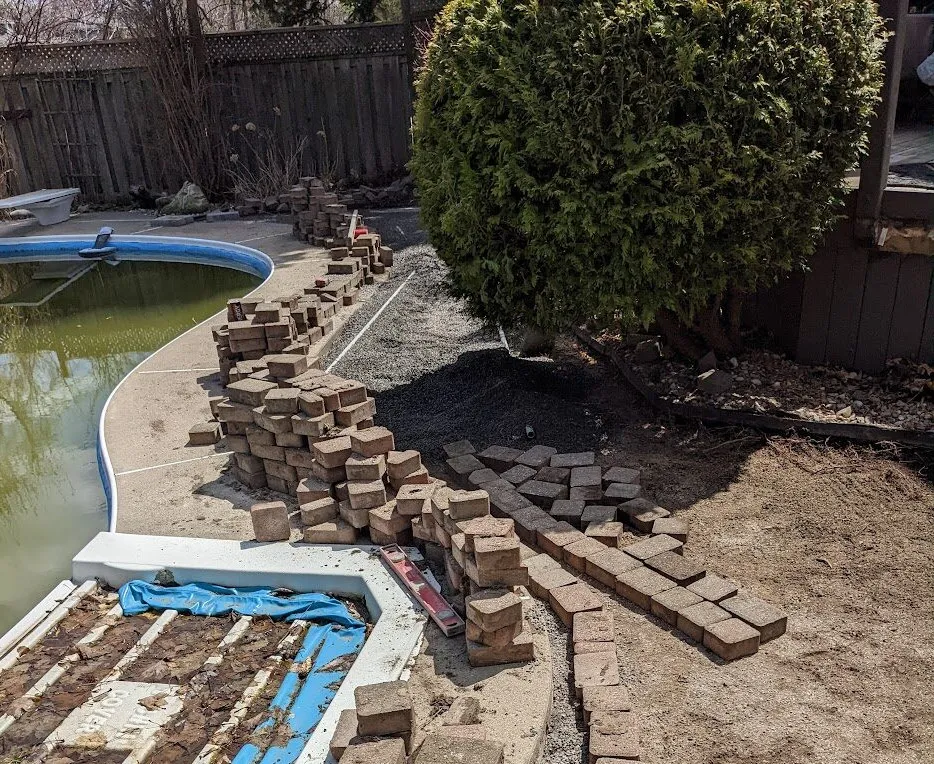
Open the area for grading or drainage correction
- Remove failed or wet base material where needed
- Prepare disturbed areas for stable rebuild work
Finish
Restore surface grades and review runoff
- Check transitions at edges, walks, and lawn areas
- Confirm visible runoff paths where site conditions allow
Worth considering while the site is open
Smart upgrades before the work is closed in.
Some improvements are easier, cleaner, and more cost-effective to handle while the area is already being excavated, rebuilt, or finished.
Permeable or drainage-friendly paver options
If the surface is being rebuilt after drainage correction, this may be the right time to review permeable or drainage-friendly paver options where they fit the site, budget, maintenance expectations, and local requirements.
Rain-runoff grant opportunities where available
Sherwood can help identify municipal or conservation authority stormwater grant opportunities where available. Any grant eligibility, approval, inspection, or documentation requirements should be confirmed by the property owner with the relevant program.
Access and lighting improvements in disturbed areas
If the drainage correction opens a walkway, entrance, side yard, or service route, it may be practical to improve access, reset pavers, or add conduit for future lighting before the area is restored.
Project
Related project examples.
See how this kind of work appears in real site conditions, prep details, and finished results.
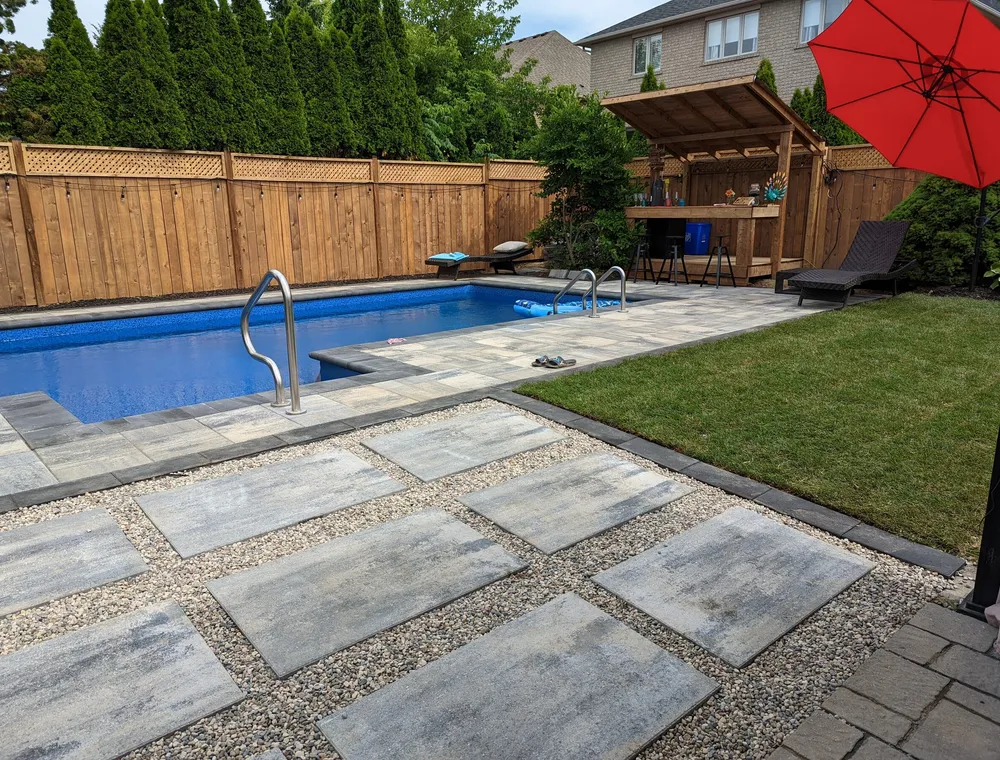
'Tiki' Interlock Pool Installation
A blank grass yard became a usable pool area with interlock, stepping stones, drainage planning, and clearer routes around the backyard.
View project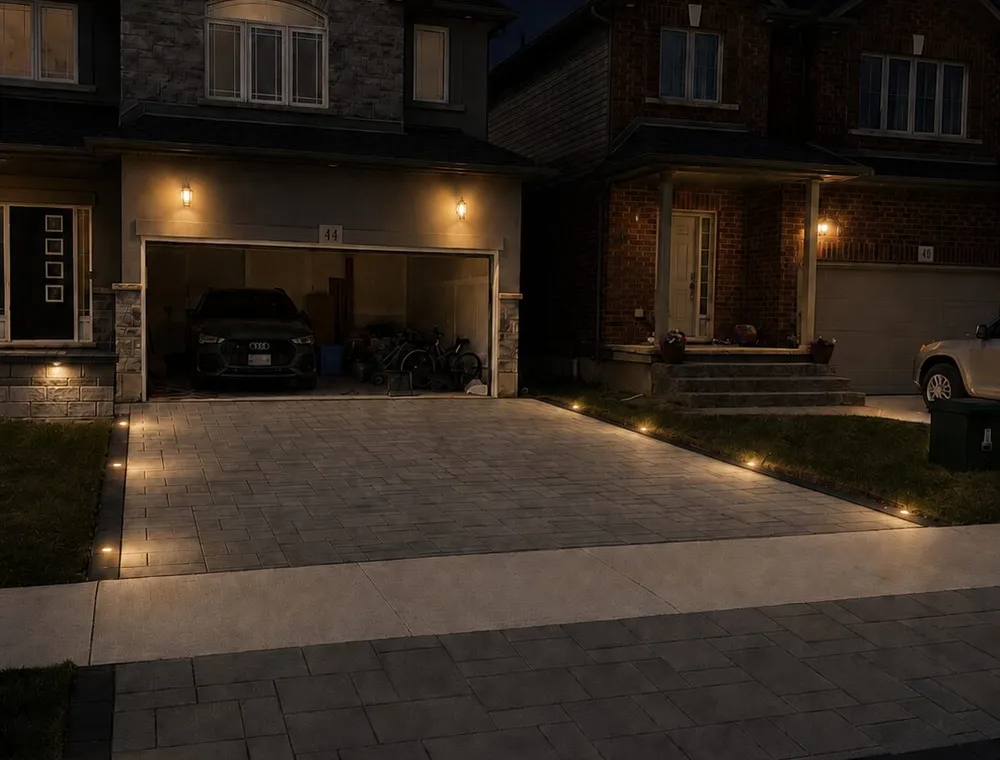
'I'm Home' Interlock Driveway Installation
A new-build front entrance was turned into a more finished arrival area with driveway pavers, steps, wall details, lighting, overlay work, and sealing.
View project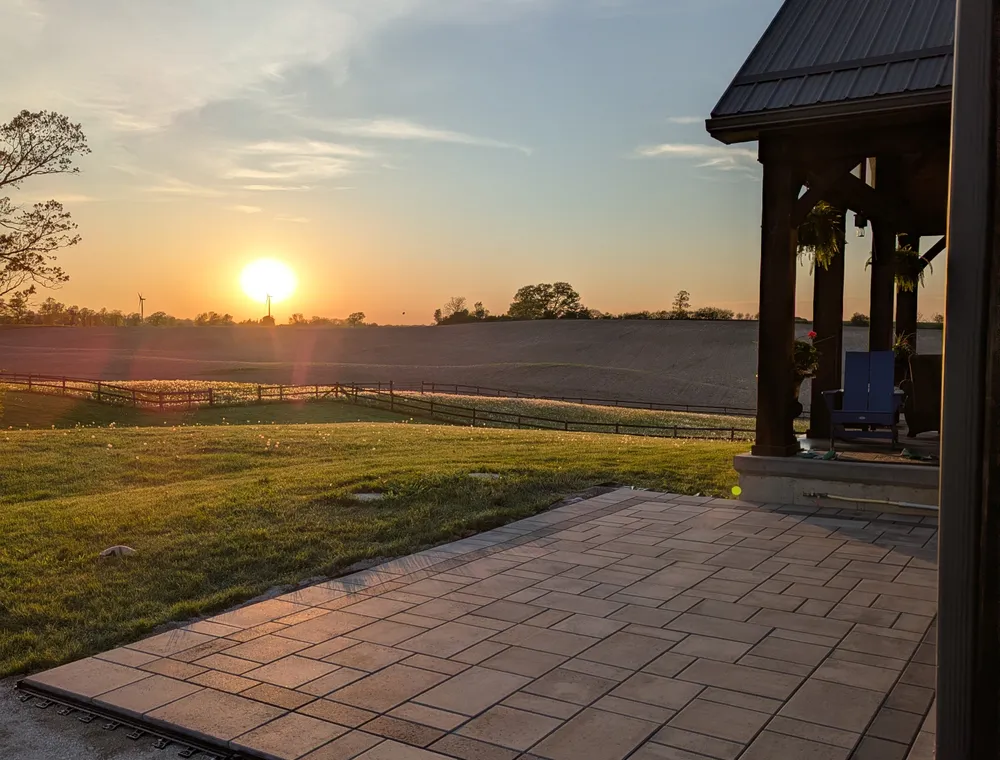
'Sunset' Patio Installation
A sloped grass area became a more usable patio for BBQs, seating, and sunset views, with the layout adapted around shallow utility constraints.
View project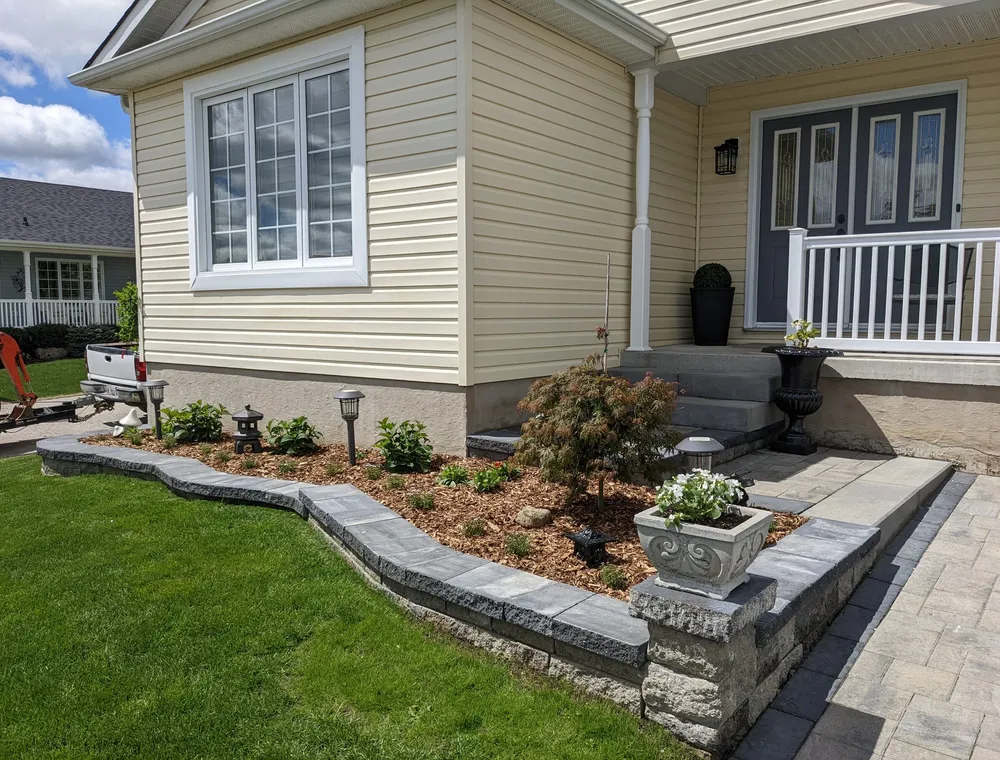
'Pastel De Nata' Complete Interlock Installation
A loose, uneven front walk and step area was rebuilt into a more stable entrance with steps, landing, driveway extension, and a garden wall.
View projectStart the conversation
Start with what you see.
No measurements, material choices, or finished plan needed. Leave a way to reach you and we’ll take it from there.
Project start
Leave a way to reach you.
Choose how we should follow up. A short note is plenty.