
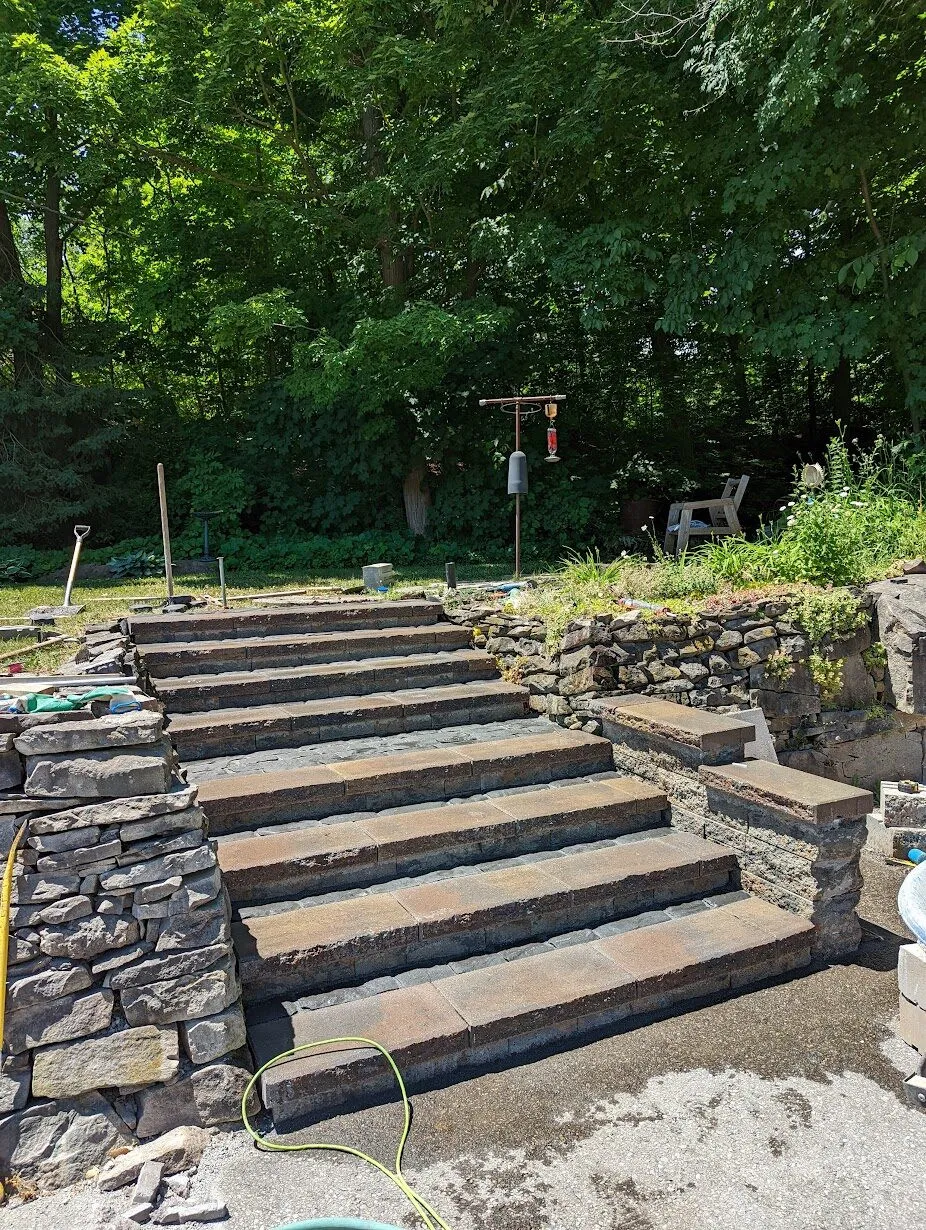
Service field guide
Residential hardscaping for the problems homeowners actually notice.
Most homeowners do not start with a trade label. They notice pavers sinking, a front walk that feels unsafe, a patio that does not fit furniture, a wall that is moving, or water collecting near the house. Sherwood translates those problems into a practical scope that accounts for base, pitch, edges, transitions, and runoff.
Start with the problem
Signs this may be the right scope.
The first step is identifying what you can see, then checking the hidden cause: base movement, poor pitch, weak edges, water, settlement, thresholds, or bad transitions.
The home needs a cleaner entrance, safer walk, usable patio, repaired pavers, or a wall that is no longer moving
Several small issues connect: a step is awkward, the walkway is narrow, the driveway edge is failing, and water collects at the entrance
The backyard or side yard is muddy, hard to use, poorly routed, or too uneven for a practical patio or path
You need help deciding whether the work is a repair, replacement, new build, or combined scope
What the work may include
The finished surface is only the visible part.
Residential hardscaping for homeowners who need a cleaner entrance, safer walk, usable patio, fixed pavers, stronger wall, better drainage around the work area, or several connected exterior issues planned together.
Residential interlock, paver installation, patios, walkways, entrances, steps, landings, walls, repairs, and drainage-conscious grading around the work area
Front entrance scopes that may include a walk, landing, step tie-in, driveway edge, planting bed, and finished heights
Backyard and side-yard scopes for patios, access routes, muddy paths, retaining edges, and usable outdoor space
Planning for connected issues such as downspouts, low spots, thresholds, settlement, old pavers, wall movement, and nearby planting beds
Water movement
What can change the scope.
- Sherwood checks roof runoff, downspouts, thresholds, lawn grades, neighboring grades, and existing hard surfaces where they affect the work area
- Patios, walks, entrances, and driveway edges should be pitched to reduce pooling near the house where site conditions allow
- Walls, steps, and paver repairs should be planned with water movement, soft base, and freeze-thaw exposure in mind
- Drainage limits should be explained before work begins so the hardscape does not create a new water problem
Before it is covered
What good prep should make clear.
- The scope connects homeowner-visible problems to the hidden prep that affects durability
- Steps, walks, patio areas, driveway edges, downspouts, grading, and planting beds are considered together where they affect each other
- Repair, replacement, and new-build options are separated where those choices are realistic
- TODO add verified residential project photos and owner-approved details
Project
Related project examples.
See how this kind of work appears in real site conditions, prep details, and finished results.
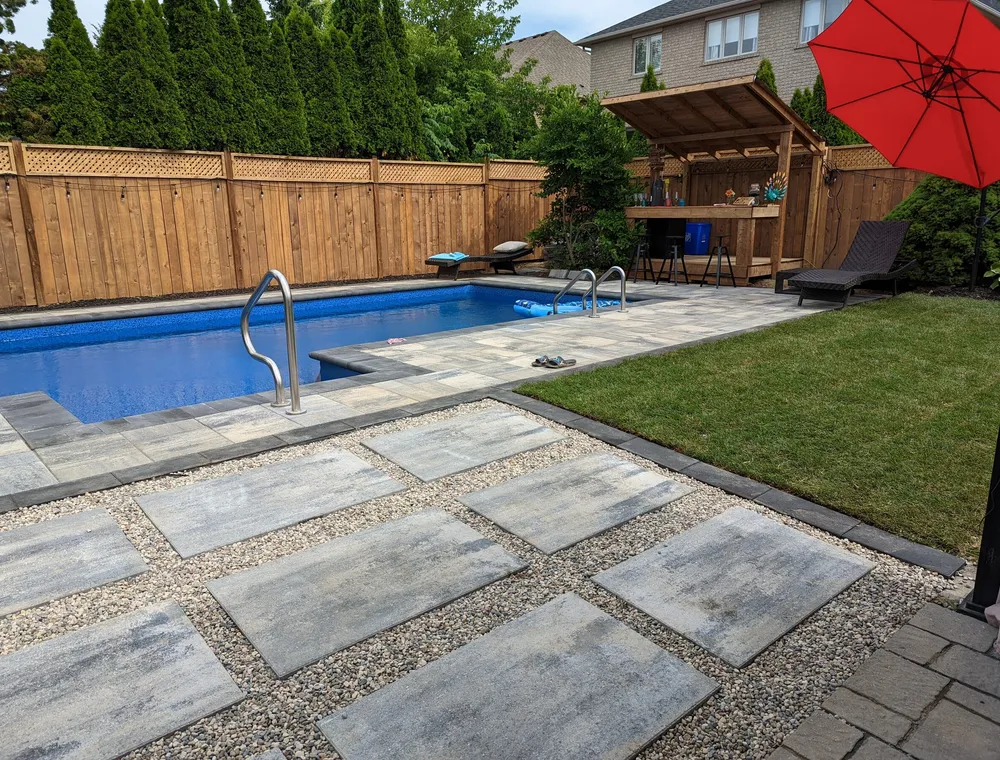
Pool Installation
Beautiful pool interlock and stepping stone installation. Full backyard overhaul
Built-right detail: TODO document pitch away from entry
View project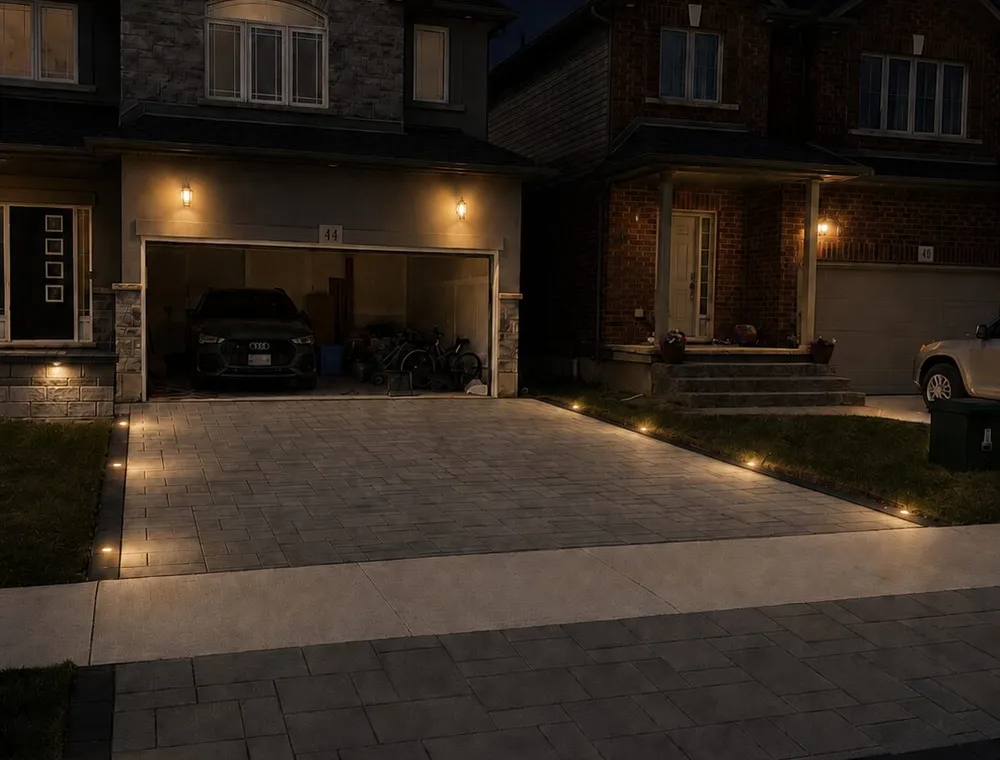
Front Overhaul
A beautiful, complete front makeover
Built-right detail: TODO document observed runoff paths
View project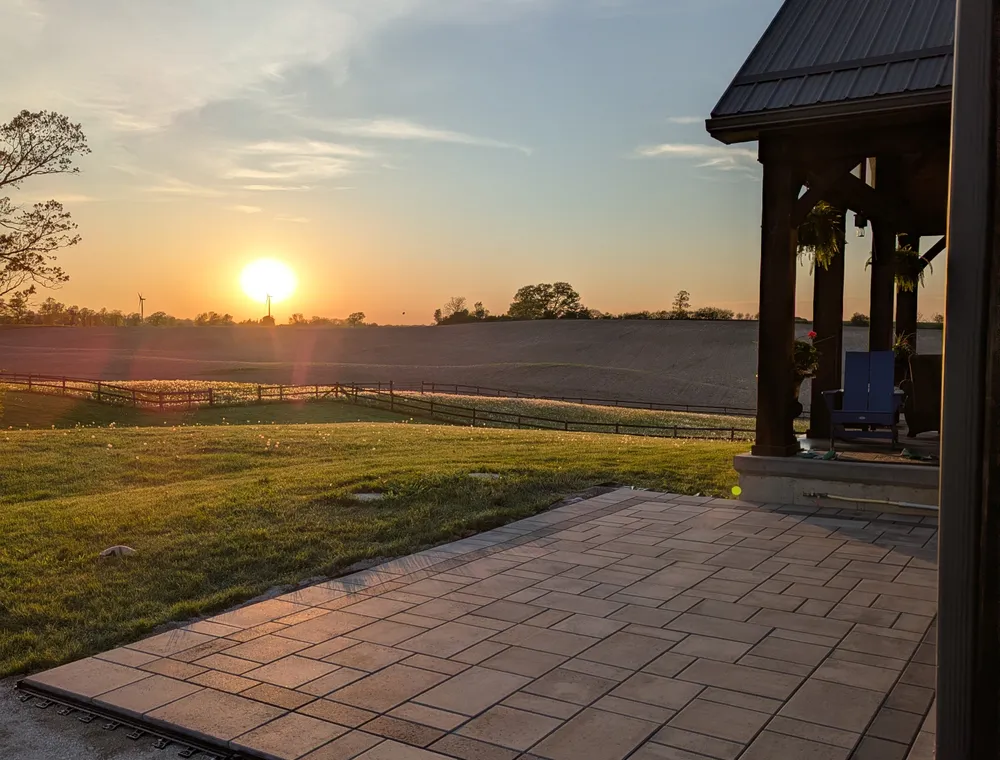
Patio Installation
Beautiful pool interlock and stepping stone installation. Full backyard overhaul
Built-right detail: TODO document pitch away from entry
View project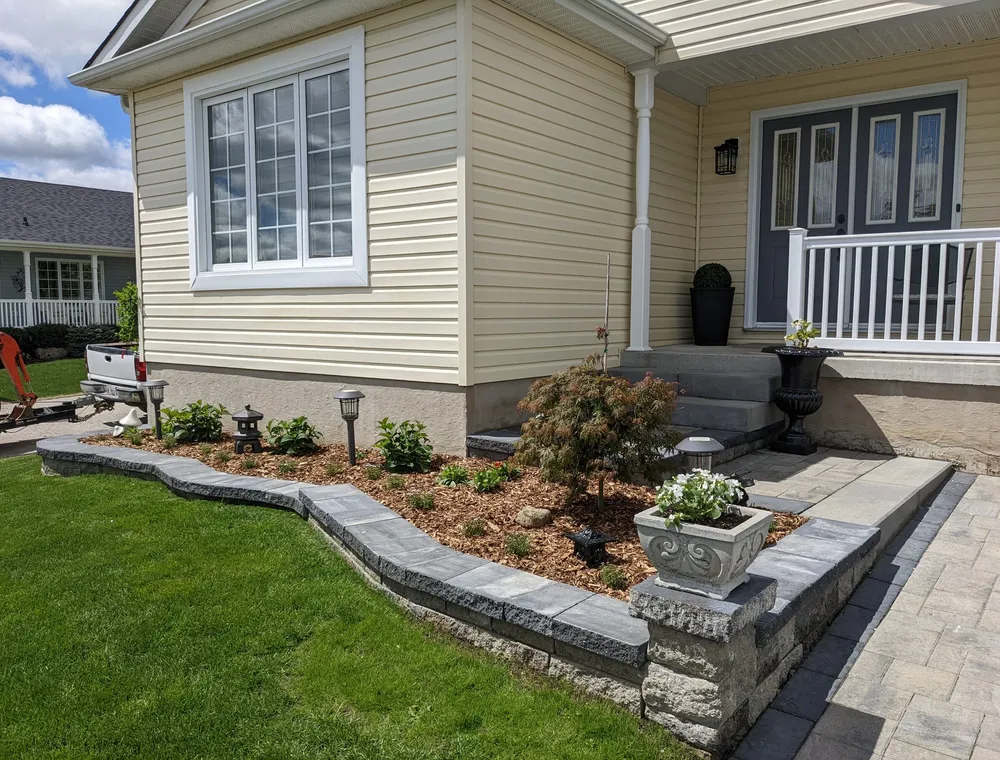
Complete Front Makeover
A beautification of the front
Built-right detail: TODO document drainage stone and outlet approach
View projectContact me later
Send the problem, location, and a few photos
Leave a phone or email and your availability.